Guide sections
On this page
On this page
Review sector regulation before assessing an energy project’s terms.
9.1.Legal Framework
For the Kyrgyz Republic, the energy sector is one of the priority areas of development. Several factors influence this: the large untapped energy potential of the country (primarily concerning hydropower and renewable energy sources), the observed growth in domestic electricity consumption alongside an increasing deficit, the wear and tear of necessary energy equipment with frequent overloads and accidents, as well as significant losses in energy networks, a high degree of centralization of generating capacities producing the required energy, creating a "fragile" dependence on one or several of the largest sources, and the absence of a full-fledged substitutive alternative or reserve.
In view of the above, the state takes various measures aimed at solving existing problems and creating conditions for the development of energy, including through the construction and commissioning of renewable energy sources (RES), including small-scale energy facilities.
Among the steps taken are legal ones, consisting of improving the existing legislative framework and introducing various measures stimulating the development of energy. By the Decree of the President of the Kyrgyz Republic dated June 16, 2026 No. 212, from July 1, 2026 to June 30, 2027, temporary legal regulation of public relations was introduced to implement measures to create conditions for attracting investments in the RES sector and ensuring the energy security of the Kyrgyz Republic.
- Key normative legal acts
- Law of the KR "On Energy" dated October 30, 1996 No. 56; Law of the KR "On Electric Power Industry" dated January 28, 1997 No. 8; Law of the KR "On Renewable Energy Sources" dated June 30, 2022 No. 49;
- Authorized body
- Ministry of Energy of the Kyrgyz Republic
9.2.Overview of Energy Sector Regulation
In the Kyrgyz Republic, electricity generation is separated from transmission, distribution, and retail supply. The main participants in the electric power sector are: generating organizations - producers or importers of electricity; transmitting organizations - network/transmission companies; and energy supplying organizations - distribution and sales companies.
Production, transmission, distribution, sale, export, and import of electric and thermal energy are subject to licensing and may only be carried out on the basis of the corresponding issued license. A license is not required only for: (i) production of electric and thermal energy obtained from the use of RES, (ii) production of electric and thermal energy from any energy sources for own use (with capacity up to 1000 kW for electric energy), and (iii) sale of electric energy from microgeneration facilities.
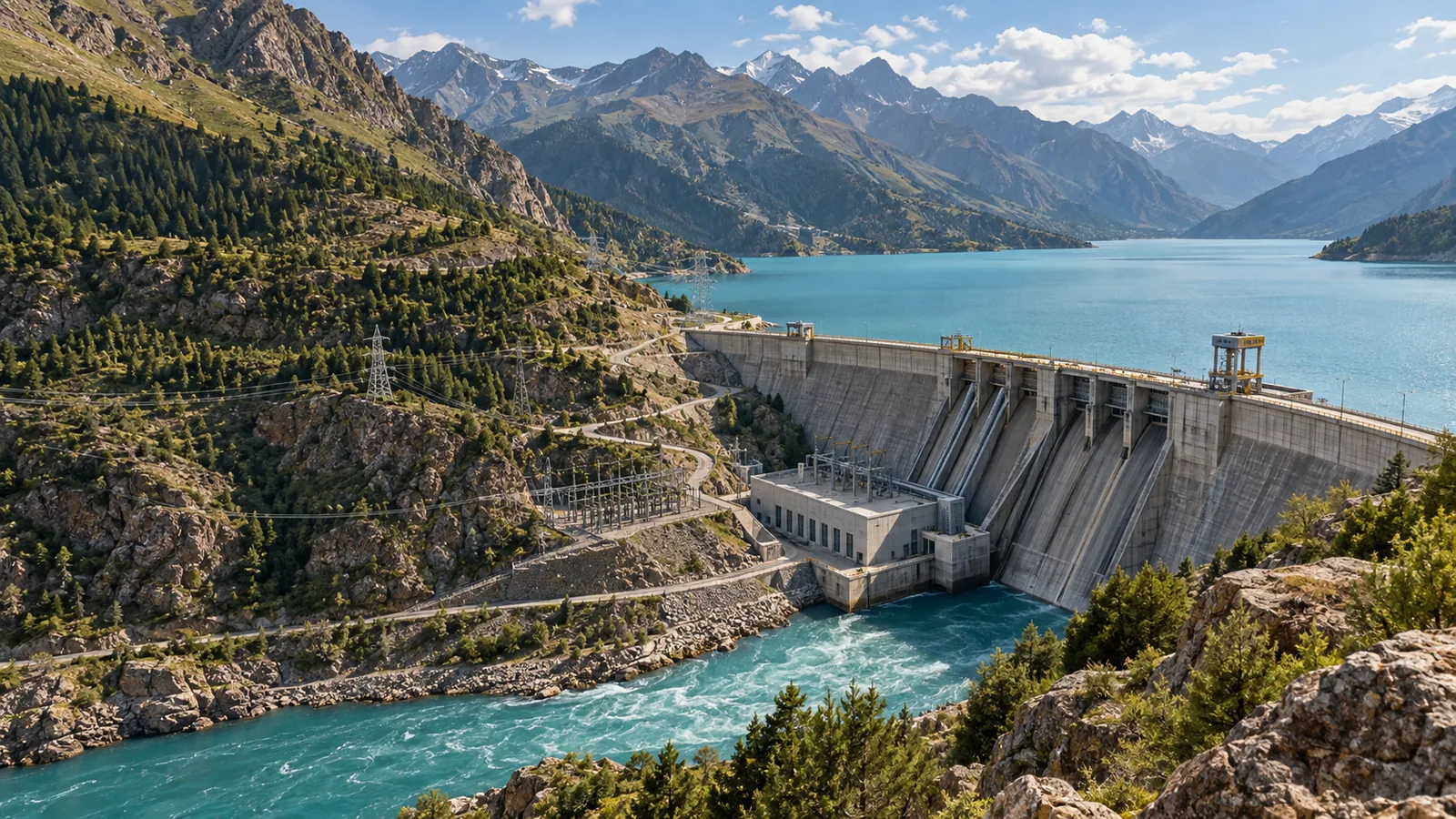
The energy system of Kyrgyzstan relies on the hydropower resources of rivers, primarily the Naryn River. The largest electricity generation in Kyrgyzstan is provided by large hydropower plants (such as Toktogul, Kurpsai, Tash-Kumyr), accounting for up to 85%. The remaining share of electricity generation comes from thermal power plants (TPP), combined heat and power plants (CHP), and renewable energy sources (small hydropower plants (HPP), solar and wind stations, and other types of RES).
Although HPPs lead in total annual output, their generation strongly depends on the season and water levels in reservoirs. In summer, HPPs operate at maximum capacity, while in winter, when water inflow decreases, the load on TPP/CHP significantly increases to provide the population not only with electricity but also with heat.
RES occupy a rapidly growing share in Kyrgyzstan's electric power industry, mainly due to state-introduced incentive measures aimed at developing RES (including tax benefits, state tariff policy, and exemption from licensing).
The energy sector of Kyrgyzstan is subject to special tariff regulation. Electricity tariffs in Kyrgyzstan are regulated by the state through the Department for Regulation of the Fuel and Energy Complex under the Ministry of Energy of the KR. Prices are currently set according to the Medium-Term Tariff Policy calculated for the period from 2025 to 2030.
Regulation is strictly divided into two planes: tariffs for end consumers (population and business) and tariffs for purchasing energy from RES generators. For end consumers, a differentiated tariff system applies, depending on the volume of consumed energy and the consuming sector. For RES producers, the state guarantees the purchase of all so-called "green energy" if established requirements are met, but pricing rules have been reformed in recent years to reduce the burden on the state budget.
Currently, during the payback period of the respective projects, the tariff at which the state purchases energy from RES producers is tied to the average tariff for end consumers but cannot exceed the upper limit set by the Ministry of Energy of the KR. Large and medium RES projects are allocated through state tenders, meaning investors "compete" to offer the state a lower and more advantageous price per kilowatt-hour.
For very small private installations (so-called microgeneration), the purchase price is fixed strictly at the average tariff for the population. The legislation of the KR also allows RES producers to conclude direct contracts with large commercial consumers at a free market price (if such an opportunity exists).
Still have questions?
Ask the National Investment Agency — we will help you navigate the legal aspects.
These materials were prepared by the National Investment Agency together with Baker Tilly, are informational only and do not constitute legal advice. Data is current as of June 2026. Verify against applicable laws and consult the NIA before making decisions.